Due Colibrí
Co-founder · Viola da gambaA duo of viole da gamba with Adele Serena (Vicenza · Brussels). Two players, two schools, one instrument family — French, English and Italian solo repertoire, plus arrangements for historical instruments.
A duo of viole da gamba with Adele Serena (Vicenza · Brussels). Two players, two schools, one instrument family — French, English and Italian solo repertoire, plus arrangements for historical instruments.
A young ensemble dedicated to the music of the 18th century, read with the American continent inside the frame rather than outside it. Latin-American archives meet late-baroque and galant repertoire from Europe.
Founded inside the CNSMD of Lyon. A variable-formation ensemble bringing young European and Latin-American artists together around early-music repertoires, oral traditions, and ongoing research.
These programs are creations and collaborations for different kinds of ensembles — select one to see its repertoire.
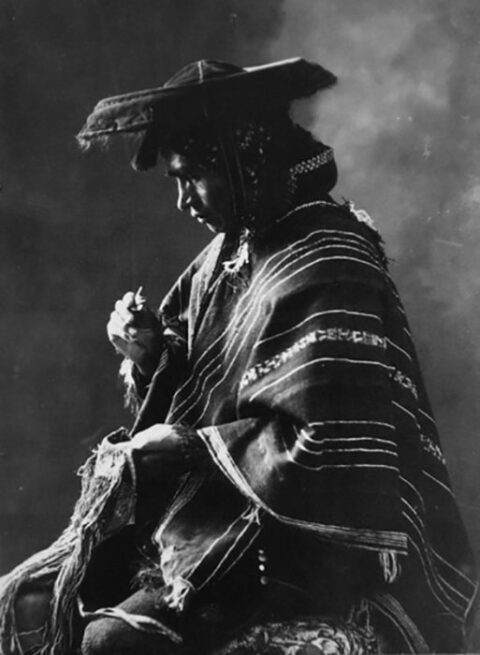 Photo · Martín Chambi (1891–1973)
A title in Quechua — the general language of the Peruvian Andes — translated by Yins Ever Coronado, from the idea that the viola da gamba carries a program exploring the sentiment of migration and displacement.
This program goes beyond historicism and modern idealism — it is a creation for today's reality, including new compositions by Peruvian composers and arrangements of traditional pieces that carry the genes of early music.
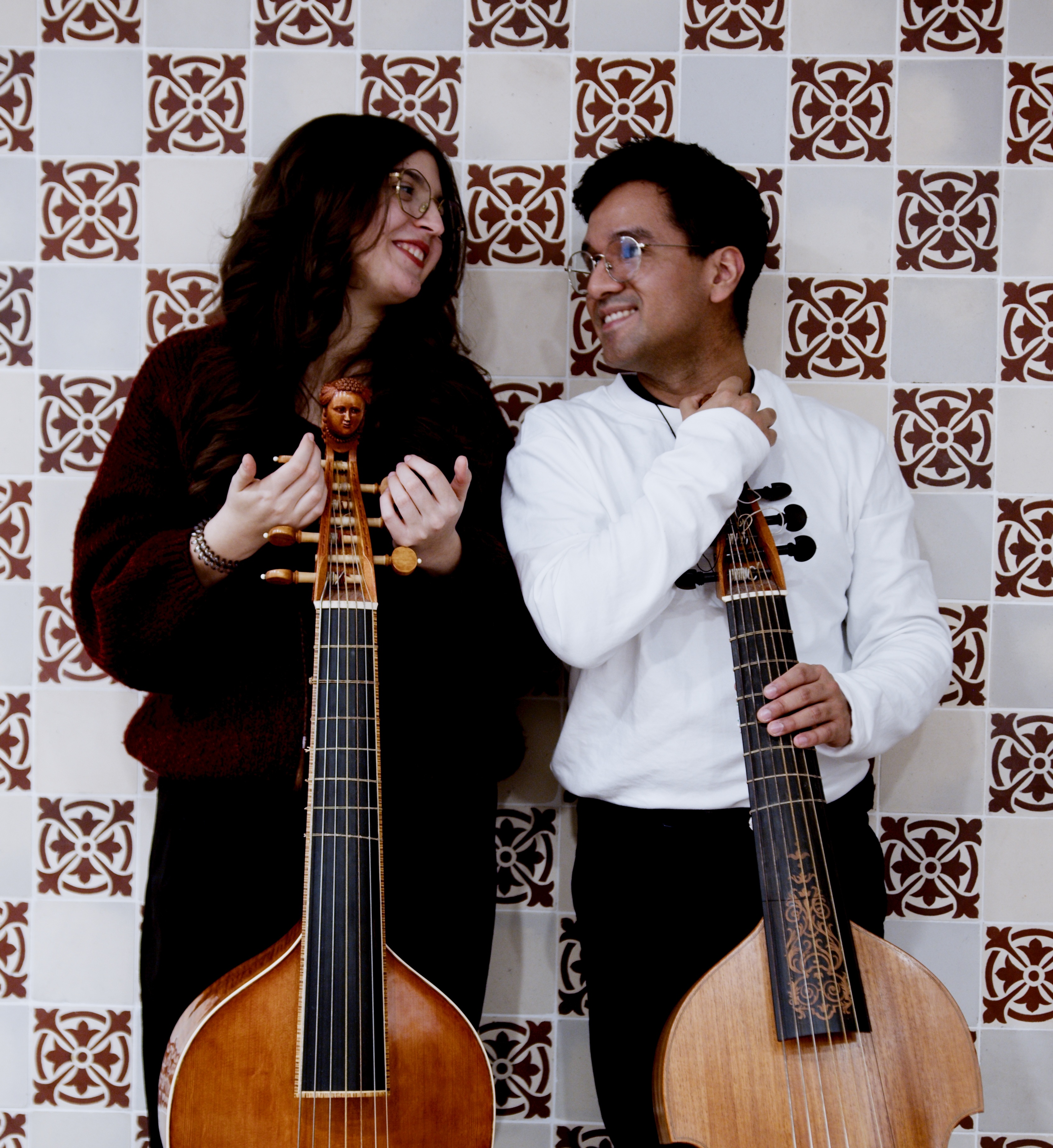
Forgetting oneself in the deepest dreams: from the intense lethargy that precedes the oneiric world, to the marvelous fantasies that blur into reality, only to be hidden forever in oblivion.
The phases of human dreams are anything but monotonous stories — yet only rarely do their traces remain with us.
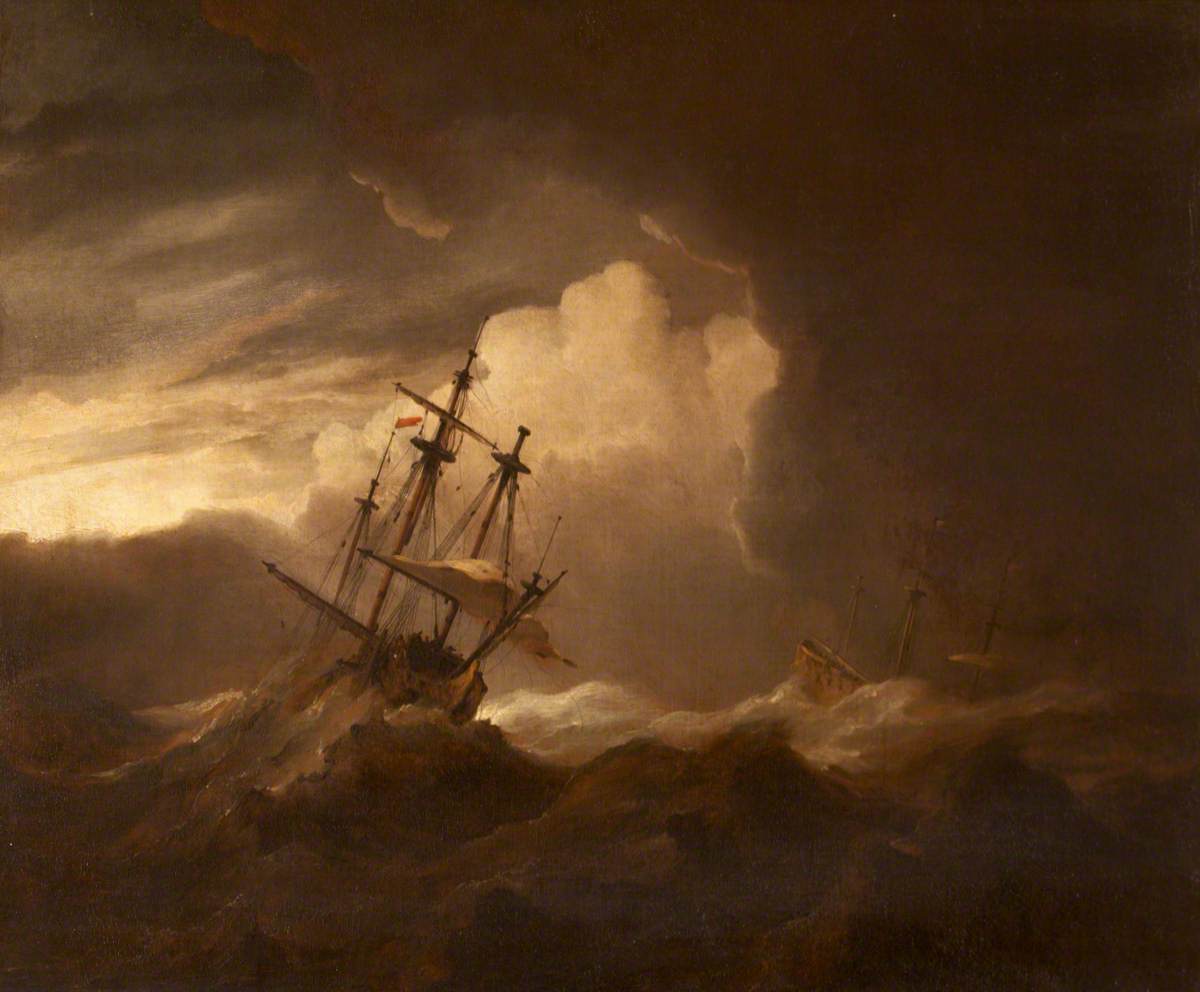
…But no Man moved Me — till the Tide
Went past my simple Shoe —
And past my Apron — and my Belt
And past my Boddice — too —
Auroras Mestizas doesn't limit itself by isolating or juxtaposing musical worlds — instead, it looks for the common spaces they share. Figures like José de Orejón y Aparicio and Manuel de Zumaya dialogue naturally with Scarlatti, Porpora and Nebra, offering an audacious and innovative reading of early music.
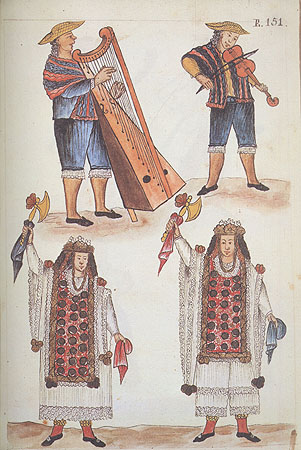
Far from the courts, beyond the cathedral walls — the music of inhabitants whose origins are diverse, but who would live and shape their lives in the new world.
América Popular shows the origins of the diversity and the colours of Latin-American popular music — heir to Western early music, to African rhythms, and to the native musics of the continent. A repertoire with an identity proper and proud, of the American peoples.